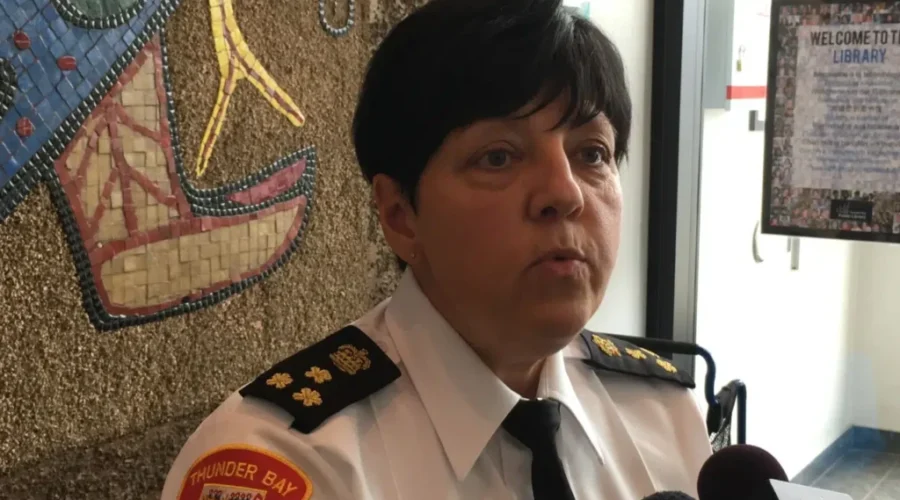
| This article provides background into the ongoing criminal trials of former high-ranking members of the Thunder Bay Police Service. Here’s what we know so far: Trial of TBPS legal counsel Holly Walbourne • 4/13: Morriseau testifies against Walbourne • 4/14: Walbourne defense seeks clarity: “This is uncharted” • 4/14: Deputy chief takes the stand, teases private notebook • 4/15: Hughes testimony builds timeline of events • 4/17: Court hears probe into Dimini message • 4/17: Crown rests, HomeSense memos enter court • 4/21: Crown, defence present submissions, decision coming Friday • 4/24: Walbourne not guilty: acquitted on all counts The trial of TBPS police chief Sylvie Hauth is scheduled for May 5 |
UPDATE April 24, 2026: Holly Walbourne has been acquitted of all charges.
Former Thunder Bay Police Chief Sylvie Hauth and her legal counsel Holly Walbourne have been charged with obstructing a peace officer, breach of trust, and multiple counts of obstruction of justice.
The two were set to be tried together, but medical issues delayed Hauth’s proceedings to May 5. Walbourne was found not guilty on two counts of obstruction on April 24 and the rest of her charges were withdrawn.
Hauth and Walbourne are accused of lying about their involvement in an internal “HomeSense Investigation” into former police board chair Georjann Morriseau after the provincial police board took over the case.
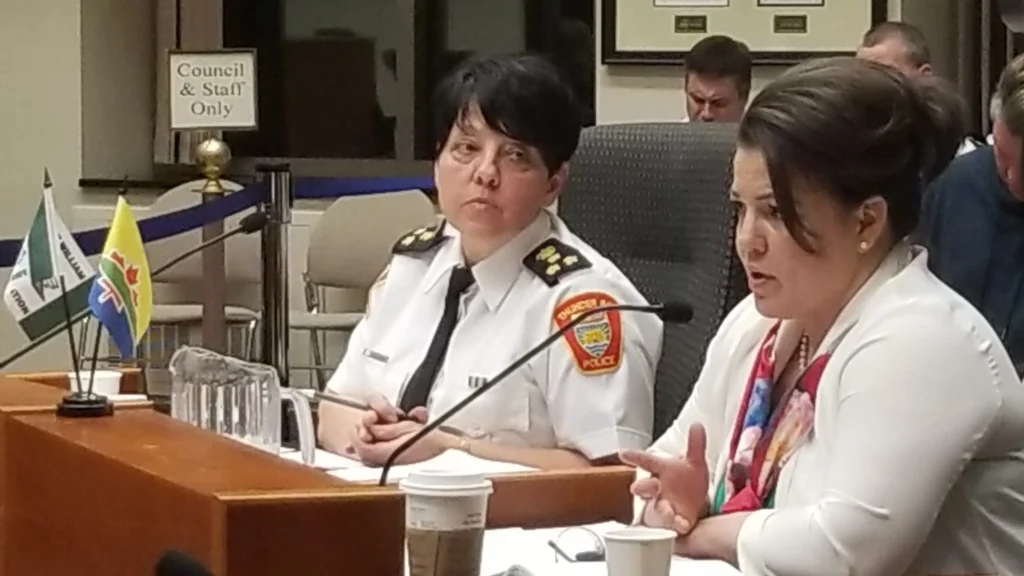
The HomeSense Investigation
In the summer of 2020, the Thunder Bay Police Service was investigating a potential leak of confidential information to civilian reporter Brian Webster, who ran the Facebook page The Courthouse Inside Edition.
That summer, then-TBPS board chair Georjann Morriseau was shopping at HomeSense when a man wearing a COVID mask approached her. She testified on April 13, 2026 that he recognized her as board chair and identified himself as an officer, but she did not recognize him. He told her officers were “gossiping” about a text from Webster to a police-issued cell phone.
The text read:
“Hey Mike, I see they are thanking members of the Thunder Bay Police in their bust announcement. Any anonymous info about what hardworking TBPS officers did?”
The police phone that received the text from Brian Webster was confirmed to belong to Constable Michael Dimini, who was still on the force but had left the unit five months earlier. Dimini was later cleared of charges regarding the leak. In February 2026, Dimini was found guilty on separate breach of trust and obstruction of justice charges stemming from unlawful residential searches and arrests in November 2020.
Holly Walbourne was questioned about the police’s response to this text in a later interview with the OCPC.
Georjann Morriseau spoke to Deputy Chief Ryan Hughes about her HomeSense conversation, but she could not identify the man.
Hughes took this very seriously. An investigation into the Webster text was in progress, and Hughes said he was wary of “gossip” about internal business being shared with Morriseau, who did not need to be informed.
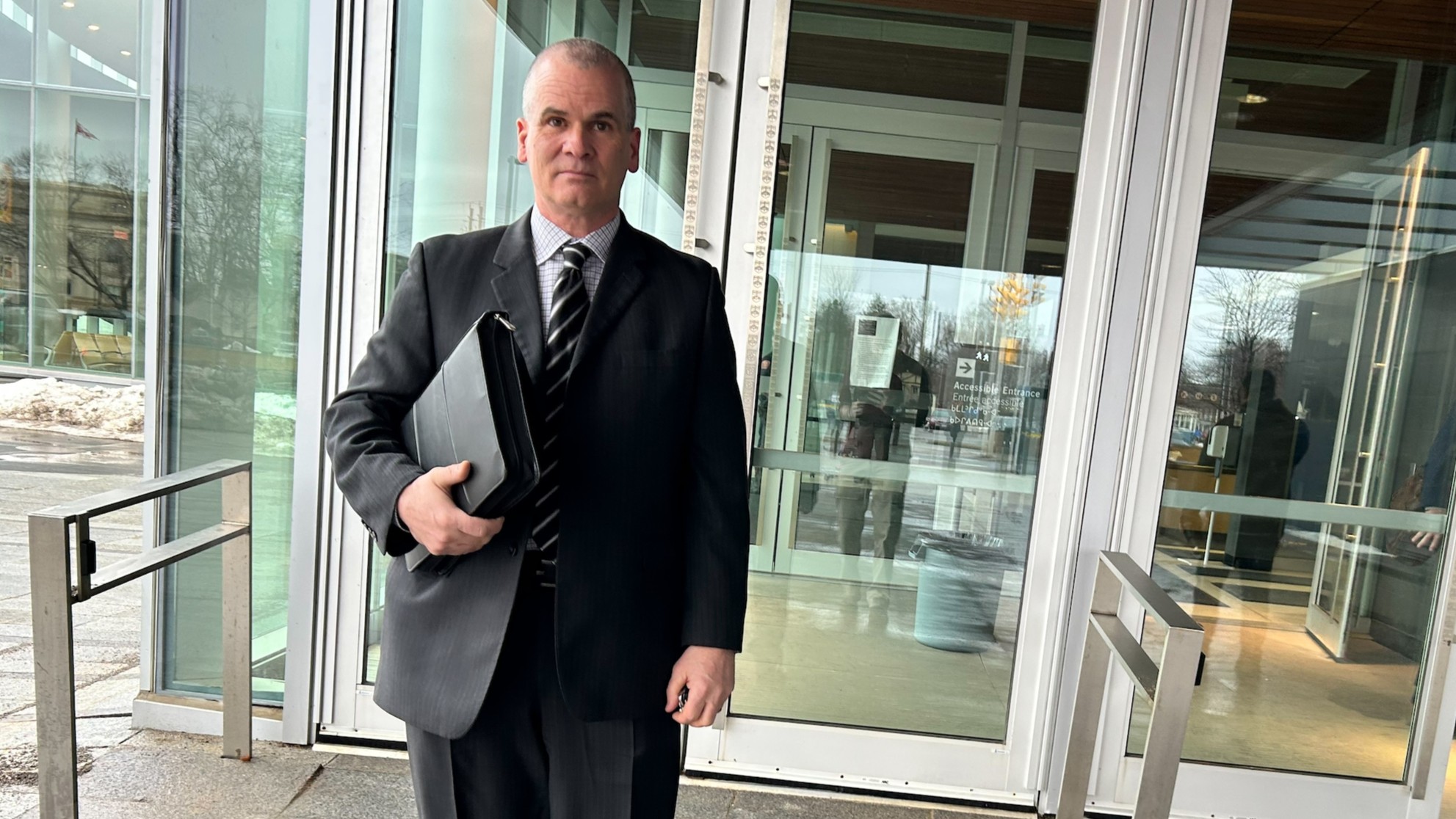
Several members of the force interviewed Morriseau about the HomeSense incident, including Holly Walbourne, who travelled to Morriseau’s house to speak with her on the subject. During these interviews, police raised the names of multiple officers in an effort to identify the masked man, but Morriseau could not identify him.
Morriseau testified that investigators treated her as though they believed she was lying. She said she felt bombarded with questions that left her “rather scared and frustrated”. At this point, Morriseau was still a witness in the investigation.
“I think once the meeting at my house (with Walbourne) took place, I was feeling more and more that there’s something else happening in the background here in terms of why I am continually being interrogated,” Morriseau testified on April 13. “I felt like I had to watch my back everywhere I turn.”
Morriseau investigation turns criminal
During the internal (non-criminal) investigation, one of the officers suggested to Morriseau as the masked HomeSense man was Detective Jason Rybak. According to Ryan Hughes’ testimony, Rybak complained to Hughes about his name coming up in this investigation on November 10. On November 19, he “uncomfortably” revealed Morriseau gave him that information.
Because of this admission, Hughes launched a criminal investigation into Georjann Morriseau for breach of trust on November 23, 2020. In Canada, the maximum penalty for breach of trust is 14 years of incarceration.
Rybak was interviewed on November 26, and Hughes notes in an email to Hauth that Rybak was “squirming” in his report. A production order for Georjann Morriseau’s phone was confirmed on December 1.
On December 9, Holly Walbourne meets with outside legal counsel. They warn of a conflict of interest and advise her to transfer the investigation to an external body. Shortly after, then-police chief Sylvie Hauth hands the investigation over to the OPP.
In August 2021, the OPP cleared Morriseau of all wrongdoing. They concluded there was no basis to lay criminal charges. Around this time, Morriseau filed a report to Tribunals Ontario alleging she had been subject to an improper criminal investigation. She also made a complaint to the Human Rights Tribunal of Ontario (HRTO) alleging discrimination based on her race as an Indigenous woman.
Hauth’s memoranda
On October 12, 2021, Sylvie Hauth presented a confidential memo to the police board regarding the OPP investigation into the Morriseau case.
Deputy Chief Ryan Hughes testified that after reading Hauth’s memo to the board, he told Hauth that he knew Walbourne had written the memo, he felt like it wasn’t accurate, and Walbourne had “thrown (him) under the bus” by essentially pinning the Morriseau investigation on him.
Hughes said that Hauth responded “it had to be done”, and he needed to explain himself to the board. Hughes sent her an email on October 14, after the memo was distributed to the board, outlining their correspondence from November and December 2020 to support his argument that Hauth was more involved in the investigation than she claimed in her memo.
On October 18, Hauth released an amendment to the first memo, which Hughes testified was a “softer version”.
The Ontario Civilian Police Commision (OCPC) looked into both memos and their drafts after Morriseau’s allegations of an improper criminal investigation.
In June of 2022, they alleged in their Notice of Particulars that “(Hauth’s) report contained a number of false statements which would lead the reasonable reader to conclude that she had no knowledge that DC Hughes had initiated a criminal investigation against Chair Morriseau until December 9, 2020. That memo was distributed to the Board members and it was anticipated they could rely upon it for the truth of its contents.”
The OCPC alleged that in the revised memo, Hauth continued to mislead on the date she was informed of the Rybak interview and about her knowledge that a Production Order against Morriseau was imminent, not a mere possibility.
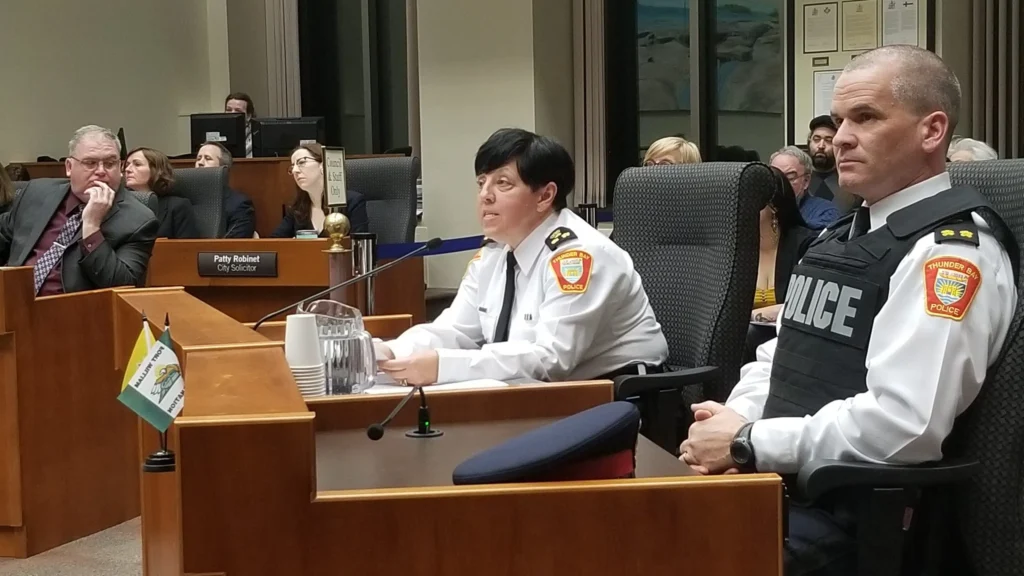
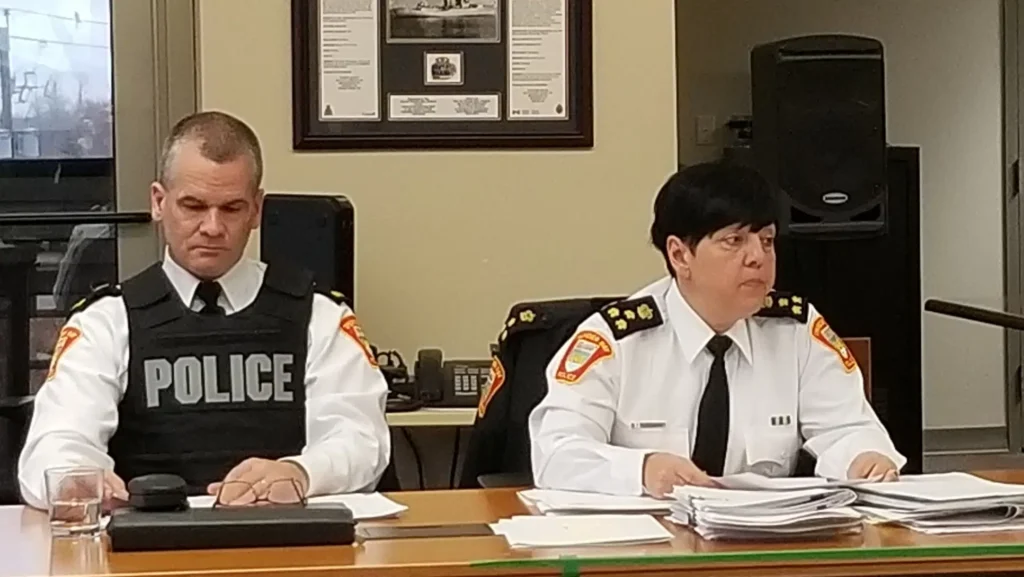
Ex-Police Chief Sylvie Hauth and Deputy Chief Ryan Hughes (file photo)
The aftermath
The OCPC concluded that “The HomeSense Investigation” by the TBPS into its own board chair was improper due to an “obvious” conflict of interest. It acknowledged that Deputy Chief Hughes had initiated the investigation and could have been disciplined, but affirmed that Chief Hauth was his superior officer, was well aware of the investigation, did not immediately stop it, and misled the board about it in her two memos, and therefore alleged she should bare primary responsibility.
The OCPC investigator also noted that officers are not compelled to testify at their own hearings, so it was not possible to charge Hauth and Hughes together. “It was preferable to only charge (Hauth) and to have Hughes as the OCPC’s lead witness,” Scott wrote in his report.
It’s important to note that Hauth and Walbourne are not on trial for any investigation into Dimini, nor for an improper investigation into Morriseau for gossiping about the text, but rather for downplaying their involvement in the Morriseau investigation in official documents and interviews.
As Hauth’s legal counsel, Holly Walbourne helped draft the two memos to the board. She is also accused of lying or misleading an OCPC investigator about her knowledge of the Morriseau criminal investigation in two 2022 meetings.
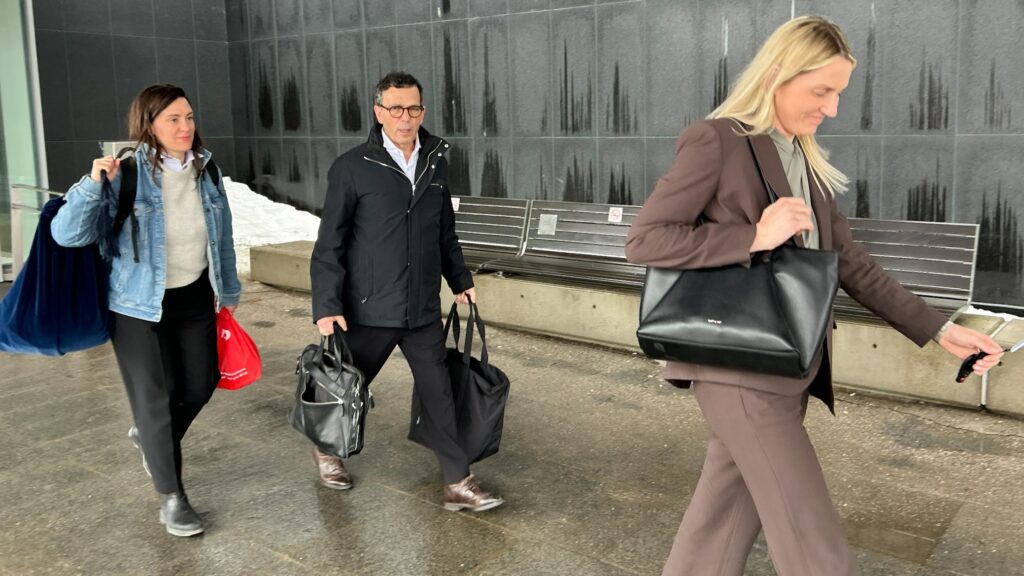
The OCPC put in place an administrator to oversee the board in April of 2022. Many of the board members resigned shortly thereafter.
Later that year, the OCPC brought misconduct charges against Sylvie Hauth under the Police Services Act, suspending her for 12 months. Hauth formally resigned as police chief on January 27, 2023.
Holly Walbourne resigned as TBPS legal council in 2023.
On January 20, 2022, Hughes was suspended from the force for one year after an investigation by the Toronto Police Service into complaints made by Holly Walbourne and Sgt. Michael Dimini. These complaints concerned matters unrelated to Georjann Morriseau or the police board. He has since been reinstated and is the current Deputy Chief of Operations at the force.
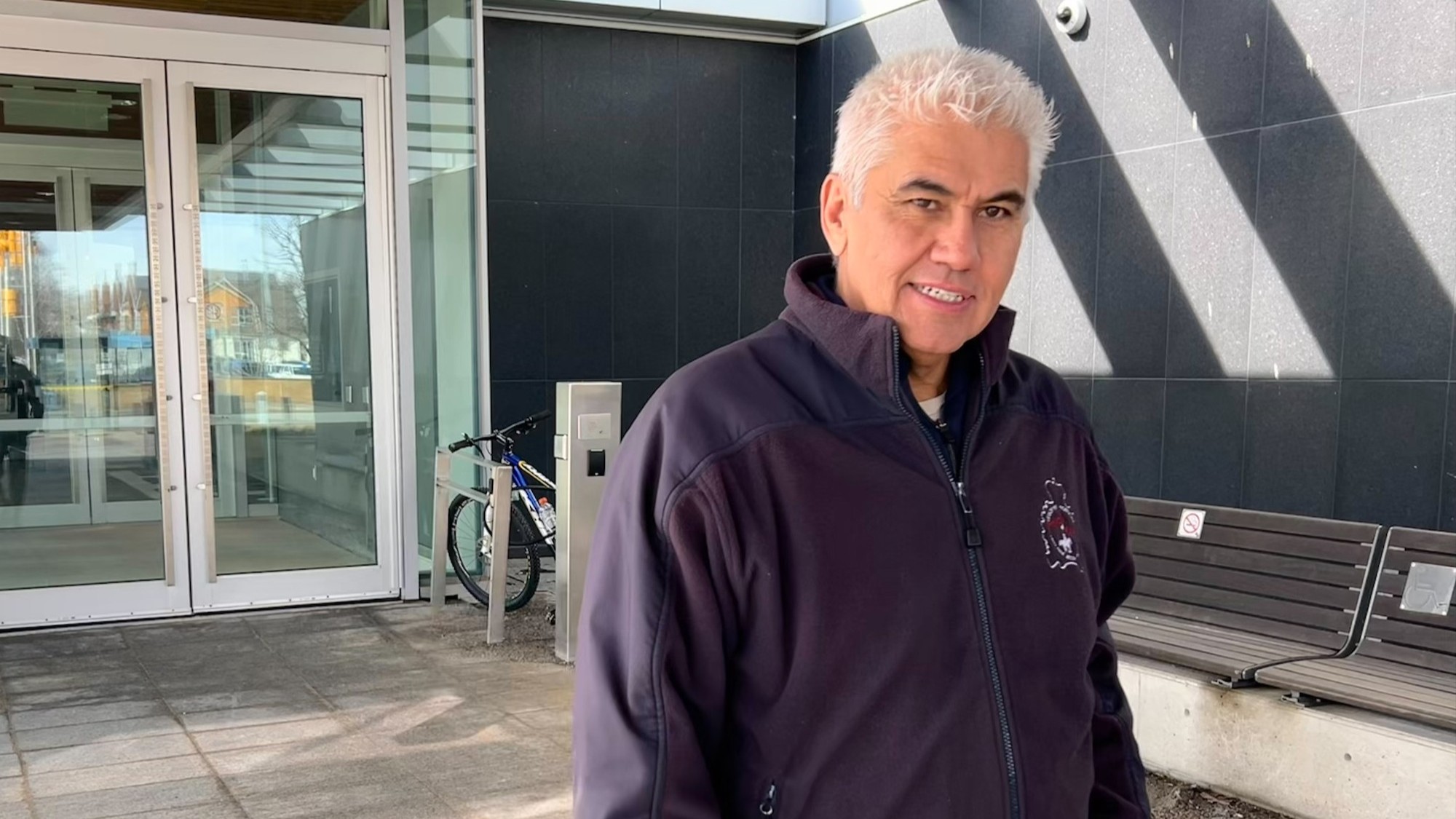
Morriseau has also left the force and serves as Commissioner of the First Nation Tax Commission.
The full OCPC final summary report can be found here.
The present
Holly Walbourne has been found not guilty of obstruction of justice or breach of trust.
Justice Robert Goldstein did not find reason to believe Walbourne was intentionally lying to an OCPC investigator about her knowledge of the HomeSense Investigation. Her other charges stemming from a confidential memo to the police board about the HomeSense Investigation have been withdrawn.
Sylvie Hauth is facing charges of obstructing a public or peace officer, breach of trust and two counts of obstruction of justice. Her trial is set for May 5.
In Canada, there are no mandatory minimum sentences for obstruction of justice or breach of trust. Both offences carry significant maximum penalties, though those maximums are rarely imposed. Obstruction of justice can result in a sentence of up to 10 years’ imprisonment if prosecuted by indictment, while criminal breach of trust carries a maximum penalty of up to 14 years in prison.