Women in the field aren’t a trend, no matter how often that line gets recycled. It’s an easy headline, a clean talking point, something that fits neatly into a marketing plan. But out in the real world, where the work actually happens, that kind of framing falls flat.
Because nothing about this is new.
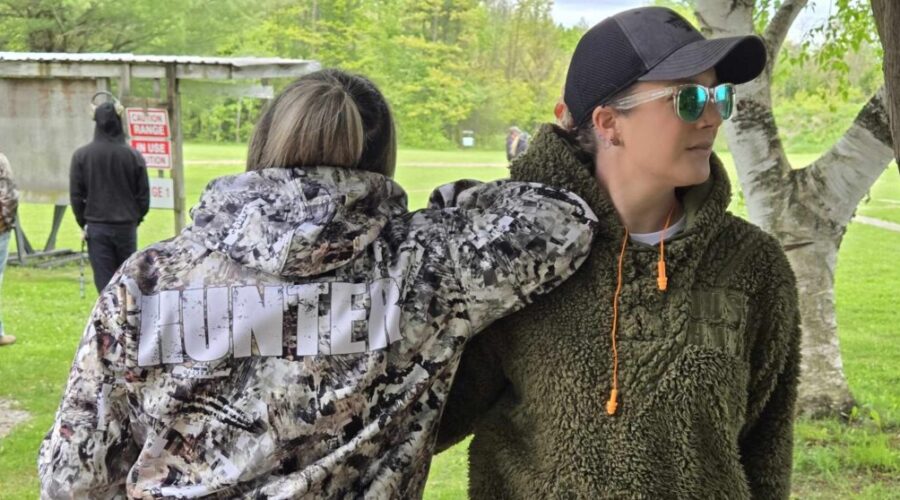
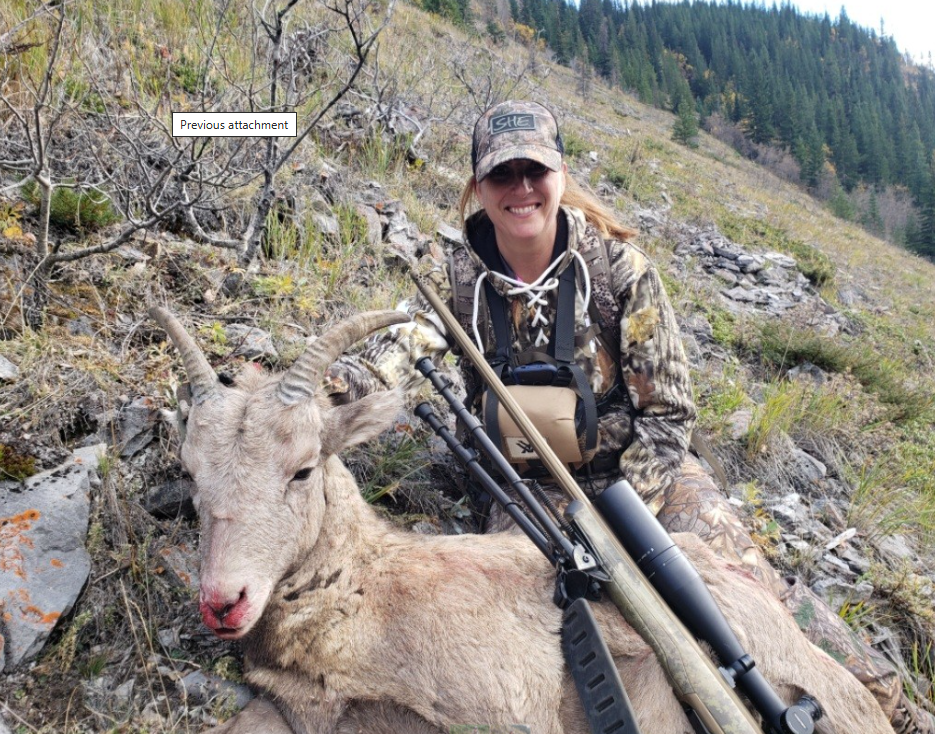
Women have always been part of hunting in Canada. Not as a headline, not as a category—just as part of it. In camps, in blinds, on long walks in and longer drags out, doing the same work without needing it recognized or packaged. What’s changed isn’t who’s showing up. It’s that you can see them now. You can hear them. And they’re not filtering what it actually looks like to be in the field.
That visibility has exposed something the industry ignored for a long time: women weren’t missing from hunting. They were just missing from the way it was being represented.
For years, the response to that gap was surface-level at best. Adjust the sizing, tweak the colour palette, and call it a women’s line. It checked a box, but it didn’t solve the problem. Because the issue was never about making gear look different—it was about making it work properly.
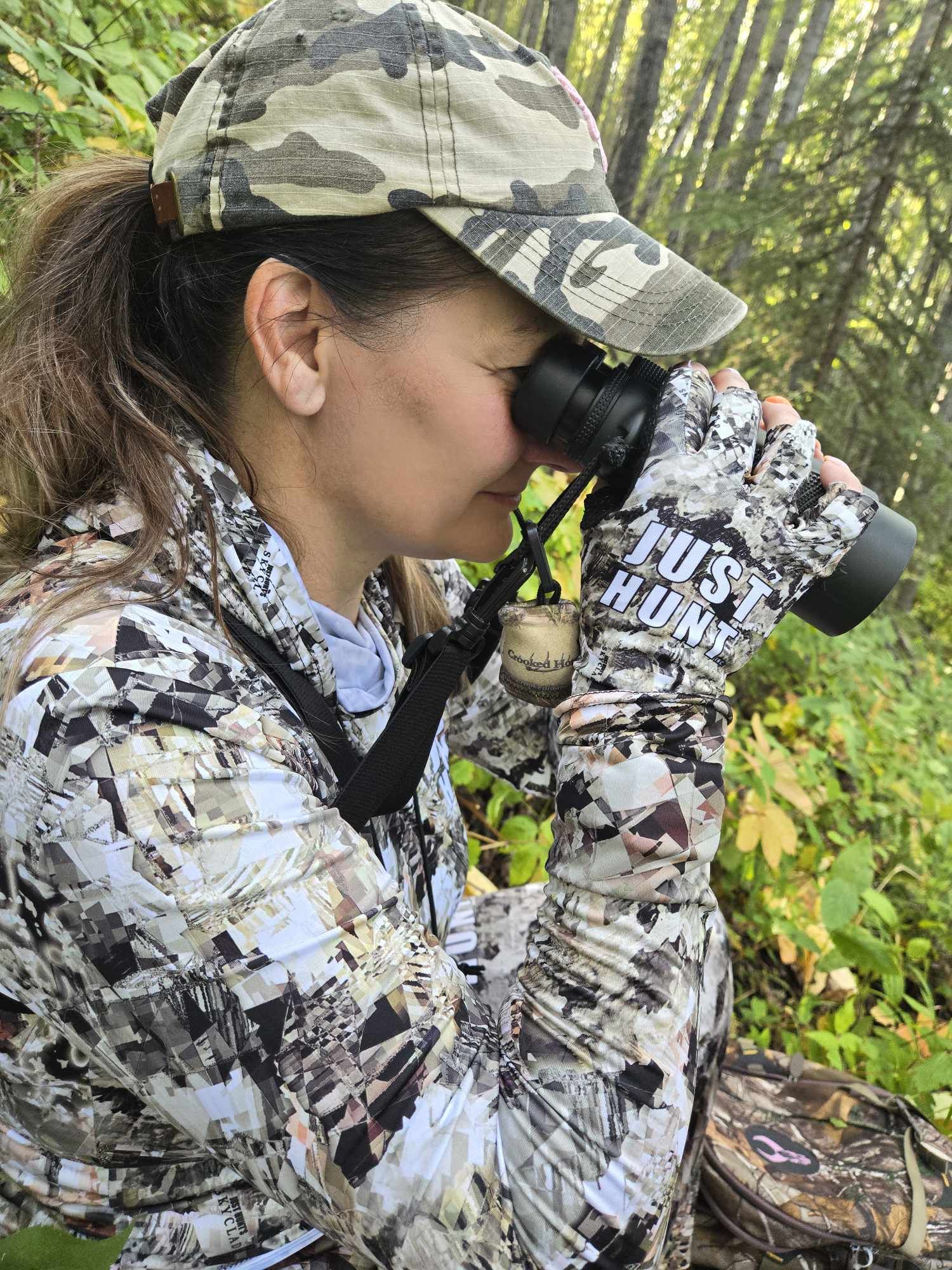
Anyone who spends real time outside knows the difference immediately. Fit matters. Function matters more. And when gear fails, it doesn’t matter what it looks like. It matters that it didn’t do its job.
The women who are hunting now aren’t interested in adapting themselves to gear that wasn’t built for them. They’re expecting better, and more importantly, they’re building it.
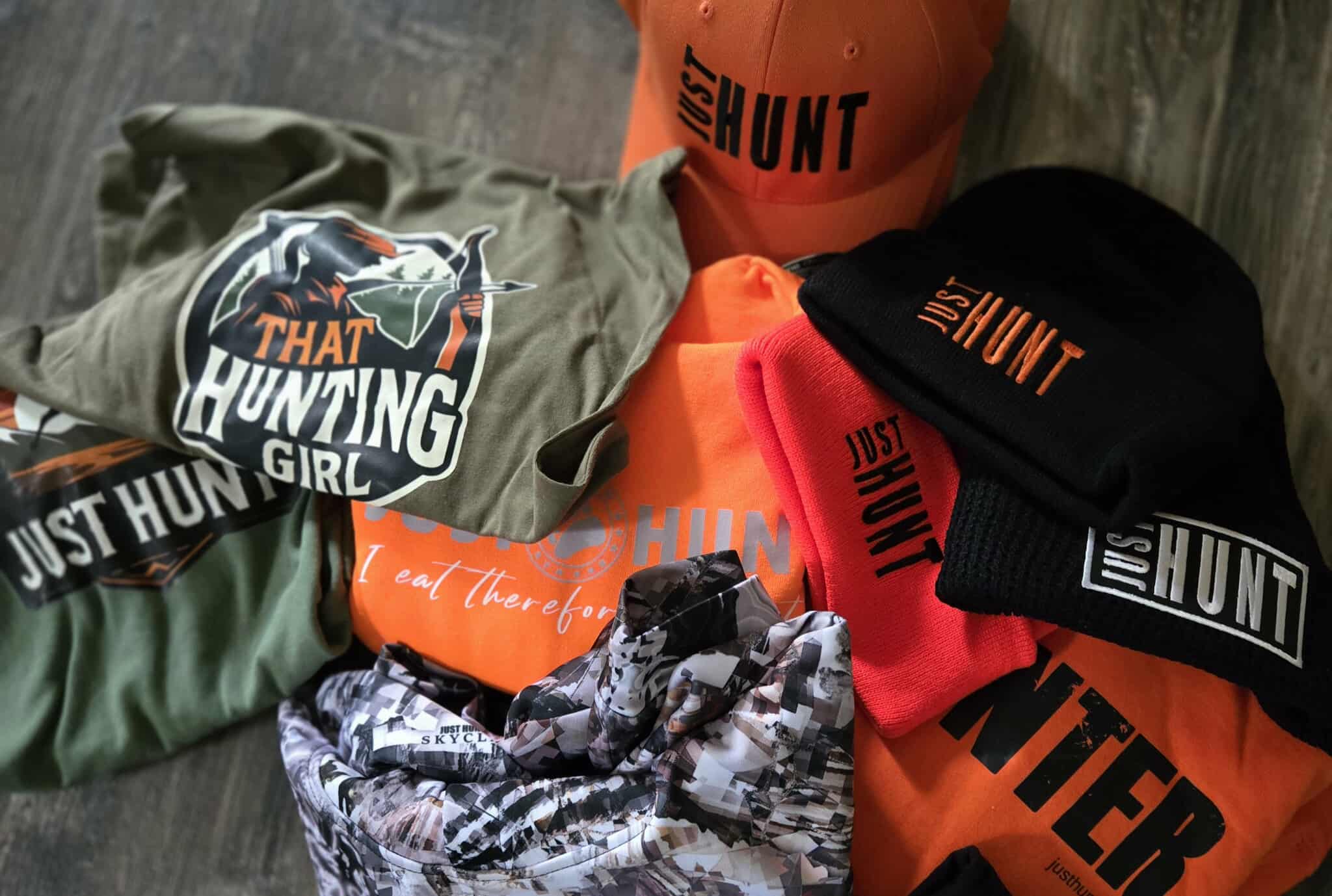
That’s where things have started to shift in a way that can’t be ignored. You’re seeing more women step into the business side of hunting—not as a niche, but as a response to what’s been lacking. Companies like Prois Hunting Apparel and Provider Outdoors didn’t gain traction because of branding alone. They built loyalty because the product solved real problems. The same goes for newer voices and brands like Just Hunt, where the line between lifestyle and performance isn’t blurred—it’s intentional.
These brands are being shaped by people who are actually out there using what they make. That changes the standard. It removes the guesswork. It raises expectations across the board.

And beyond the gear, there’s a shift in mindset that’s harder to define but just as important. There’s less interest in fitting into a version of hunting that was built without them in mind, and more focus on doing it in a way that reflects who they are—without overexplaining it.
It shows up in the way women carry themselves in the field. There’s less performance, less need to prove something to an audience. More focus on the process, on getting better, on learning the land and respecting it. The kind of approach that doesn’t rely on recognition to validate it.
That’s also where social media tends to get it wrong. It captures the outcome, not the process. The clean photo, the successful hunt, the moment that looks effortless. But none of that shows the reality behind it—the early mornings, the empty sits, the missed chances, the frustration that comes with learning something the hard way.
The women who are here for the long haul aren’t skipping those parts. They’re going through them the same as anyone else, without trying to soften it or reshape it into something more palatable. And in doing that, they’re setting a different tone for what hunting looks like going forward.
You can feel that change if you spend enough time around it. It’s not loud, but it’s steady. It’s in the conversations, in the expectations, in the refusal to accept something that doesn’t meet the standard anymore.
And it’s not isolated.
The next generation coming into hunting—men and women alike—are looking at things differently. They care about authenticity over image. They want gear that performs, not just something that carries a name. They’re building identities around the lifestyle that feel real to them, not inherited from something that doesn’t quite fit.
Women aren’t on the outside of that shift. They’re part of what’s driving it.
At a certain point, the need to separate it out—to define it as something different—starts to fade. Not because it wasn’t worth acknowledging, but because it becomes unnecessary.
There’s no adjustment needed. No label required.
It just settles into what it’s always been.
A hunter is a hunter.
Women’s Outdoor Clothing | Women’s Hunting Apparel | DSG Outerwear – DSG OUTERWEAR