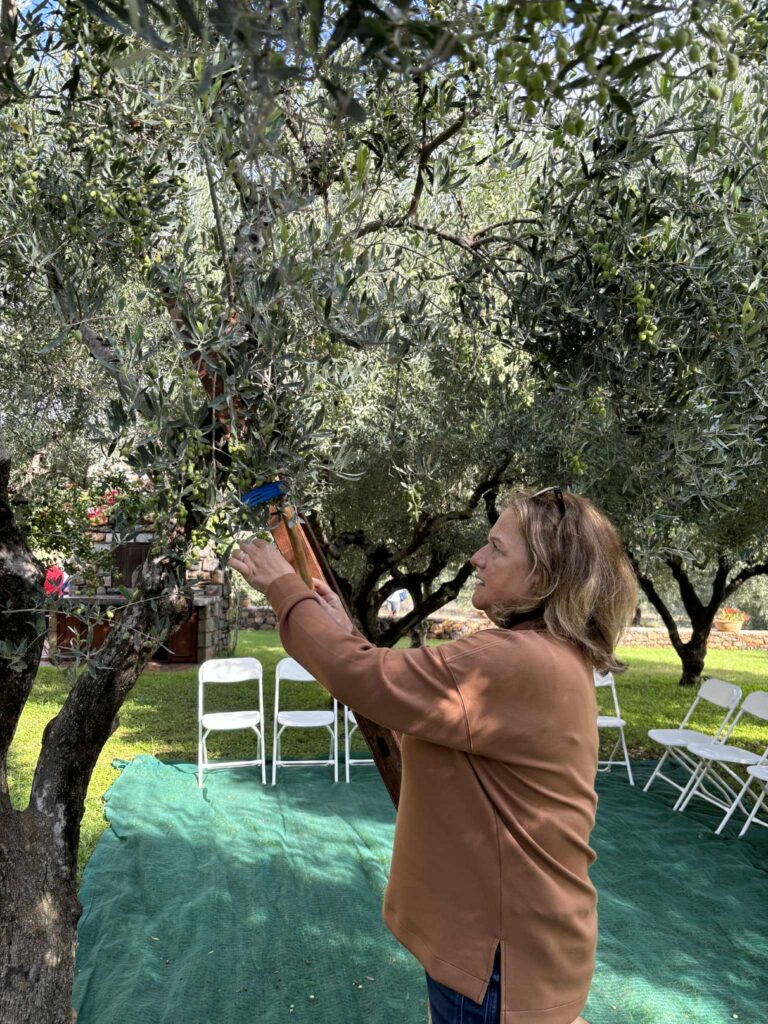
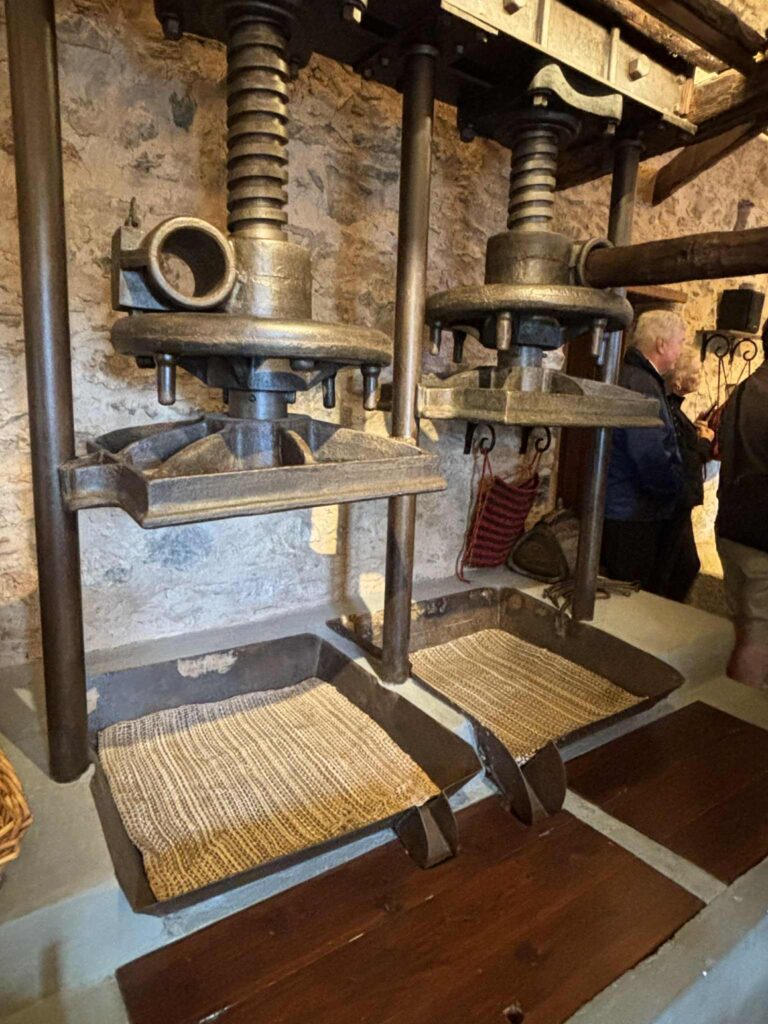
I had the great pleasure of visiting a small olive oil producer near Gythion, Greece where we tasted the most delicious olive oil. Liotrivi Olive Press has been in operation since 1890.
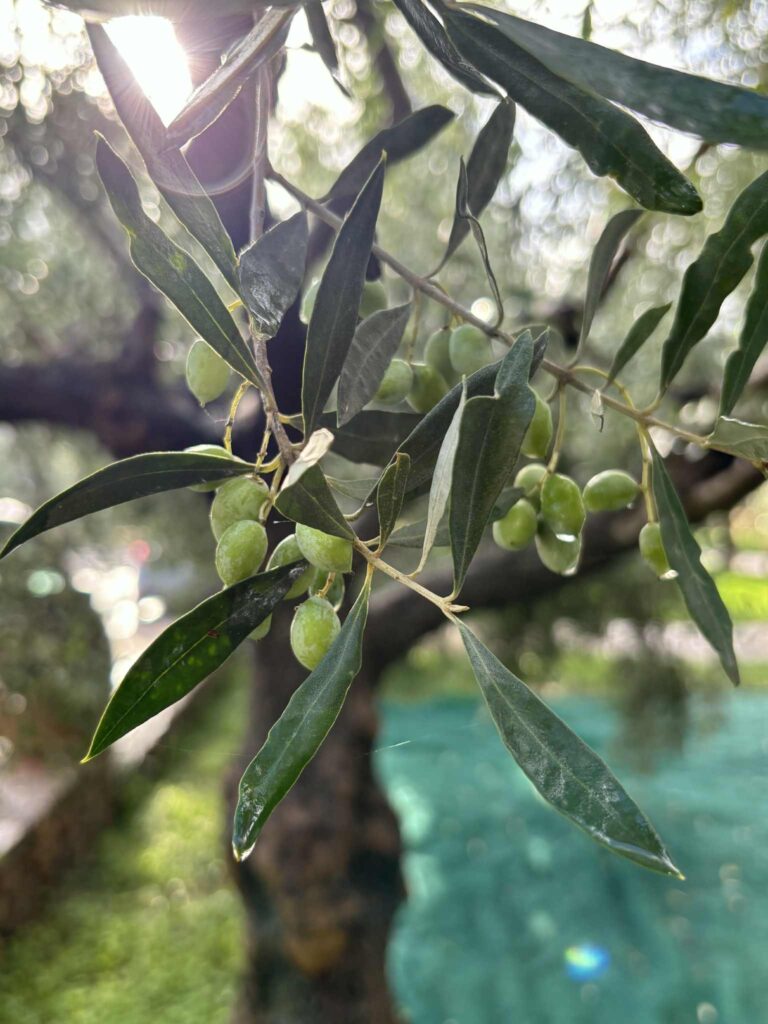
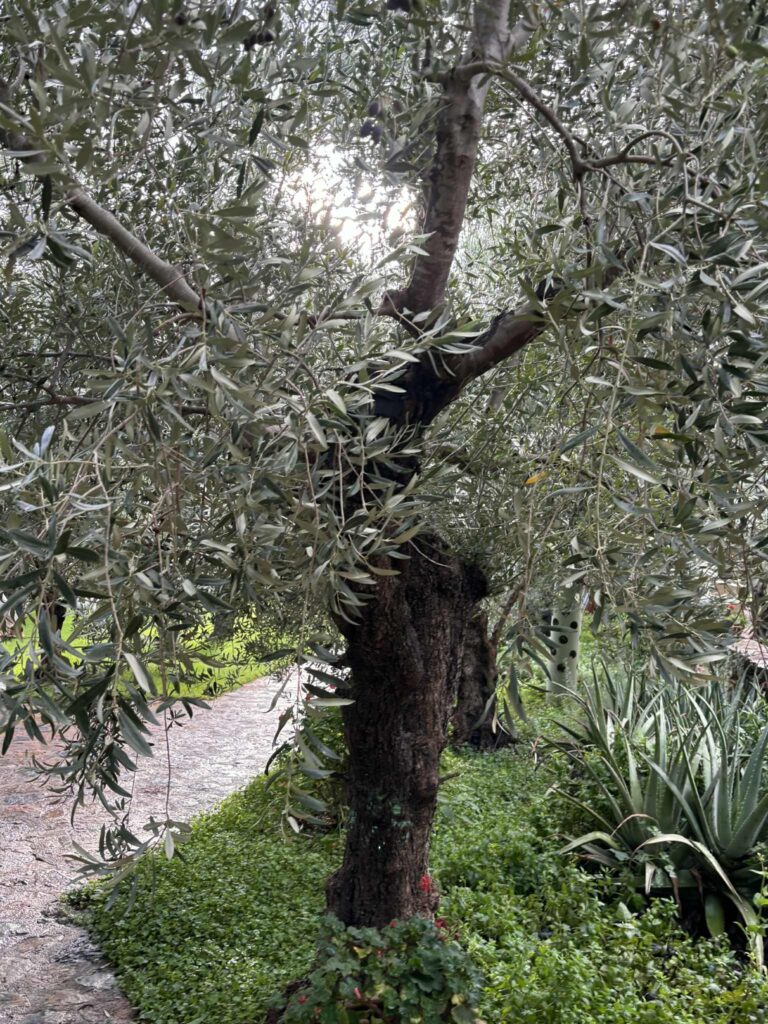
Olive trees are a wonder in themselves. Olive trees are gnarled and twisted, often with silvery-green leaves and small white flowers. They can live for hundreds — even thousands — of years. Some trees in Greece and Crete are believed to be over 2,000 years old and still bear fruit. Deep, resilient root systems allow them to survive in rocky, dry soil and intense heat. The olive fruit starts green, turning purple or black as it ripens. Each fruit contains a pit (the seed) surrounded by oily flesh.
To create olive oil, the olives are mashed into a paste and then the oil is pressed from the water and pulp portion of the fruit. Olive oil is called extra virgin when it meets the highest standards of purity, taste, and quality. The term refers to both how it’s made and its chemical and sensory characteristics.
Here’s what defines it:
- Cold Pressed (No Heat or Chemicals)
Extra virgin olive oil is extracted purely by mechanical means — crushing and pressing the olives — without using heat or solvents. This preserves the natural flavors, aromas, and nutrients. - Low Acidity
The oil must have free acidity (oleic acid) of less than 0.8%. Low acidity means the olives were fresh and handled carefully, indicating higher quality and less oxidation. - No Refining
Unlike regular or “pure” olive oil, extra virgin olive oil is never refined or chemically treated. Refining removes flavor and beneficial compounds. - Taste and Aroma
It must pass sensory tests by trained tasters who confirm it has no defects (like rancidity or mustiness) and displays positive attributes such as fruitiness, pepperiness, and bitterness — the hallmarks of freshly pressed olives. - Early Harvest & First Press
The best extra virgin oils come from early-harvest olives, which are greener and richer in antioxidants and flavor. “First cold press” refers to the initial extraction, when the oil is at its purest.
In short, extra virgin olive oil is simply the purest, freshest, and most flavorful form of olive oil — the liquid essence of the olive fruit itself. Liotrivi also never uses the olives that have fallen to the ground, never shakes the trees that damaged the roots and processes the olives within 24 hours of harvest.
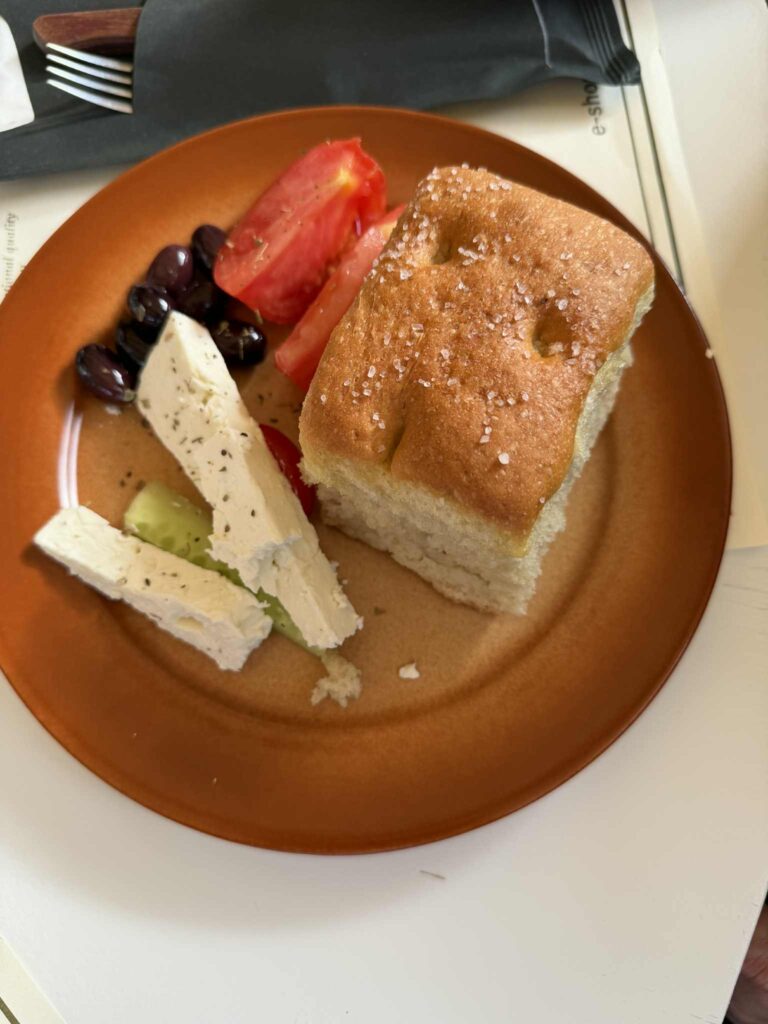
We ate amazing olive oil sourdough bread right out of the oven at Liotrivi with beautiful tomatoes, locally made feta with oregano from their garden. cucumber, olives and of course the olive oil. Hopefully, when this comes out of the oven, you’ll be able to taste a little bit of the Greek sun. I know I did.
Olive Oil Bread
1 kg white flour
20 gms sourdough starter* or 16 gms dry yeast**
1 tsp salt
2 tsp sugar
450 ml lukewarm water
50-100 ml water extra virgin olive oil
1 tbsp sea salt
*if using sourdough starter make the night before -combine 20 g of sourdough starter with 100 g of lukewarm water and 2 teaspoons of sugar covered with plastic wrap and store in a warm area
** if using dry yeast dissolve 16 g of dry yeast into 100 mL of lukewarm water and 2 teaspoons of sugar – set aside in warm area for 10 minutes or until it becomes foamy
Bread:
Sift 1 kg of flour into a large bowl and then form a hole in the centre and pour in the sourdough or dry yeast mixture. Add salt on the surrounding dry flour, making sure that it does not touch or fall into the yeast or sourdough mixture at first. Start mixing the surrounding flour with ingredients and kneed the dough until it’s smooth adding a little water when needed – make sure the dough is smooth and elastic – not too hard. Not too soft. Pour in the olive oil slowly and continue kneeding for 10 Minutes When your dough is ready – cover the bowl with a towel and let it rise in a warm area for about one to one and a half hours – the dough should have doubled in size – if using yeast let it rise for 30 minutes.
Grease the bottom sides of a pan with olive oil and line your pan with parchment paper before working with the dough – grease your hands with olive oil and then flatten the dough into the pan, pushing it towards the corners
Using your fingers create little holes on top of the dough and drizzle lots of olive oil on the surface. Sprinkle of the dough with sea salt and cut it into square pieces. Let it rise for another 10 minutes while preheating your oven in a woodfired oven. Bake it 200°C for 30 to 45 minutes or an electric oven – 180° for 40 minutes.
Enjoy!