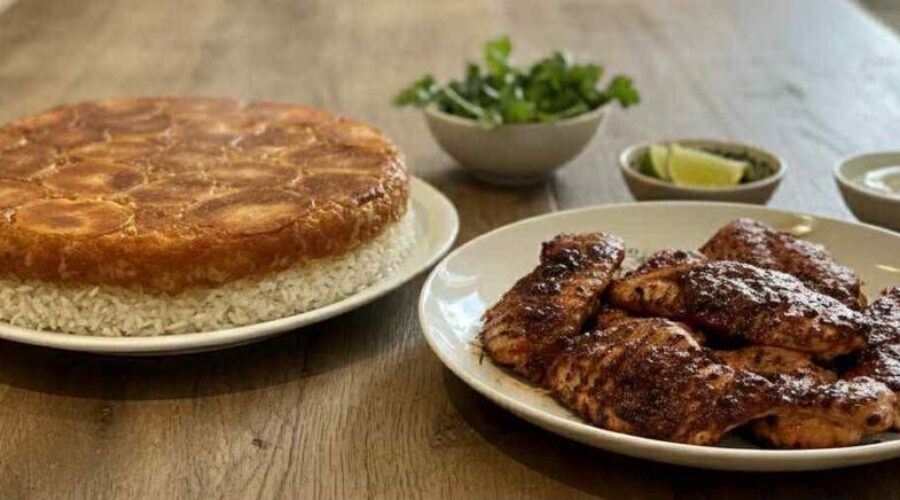
The Mediterranean region has long been a cradle of culinary brilliance, where food is more than sustenance—it’s a celebration of culture, community, and flavor. From the sun-drenched coasts of Lebanon to the spice-laden kitchens of Turkey, Mediterranean cuisine has evolved over centuries, shaped by trade, tradition, and the bounty of the land. Olive oil, garlic, citrus, and yogurt—staples of this region—form the backbone of countless dishes, each telling a story of its origin.
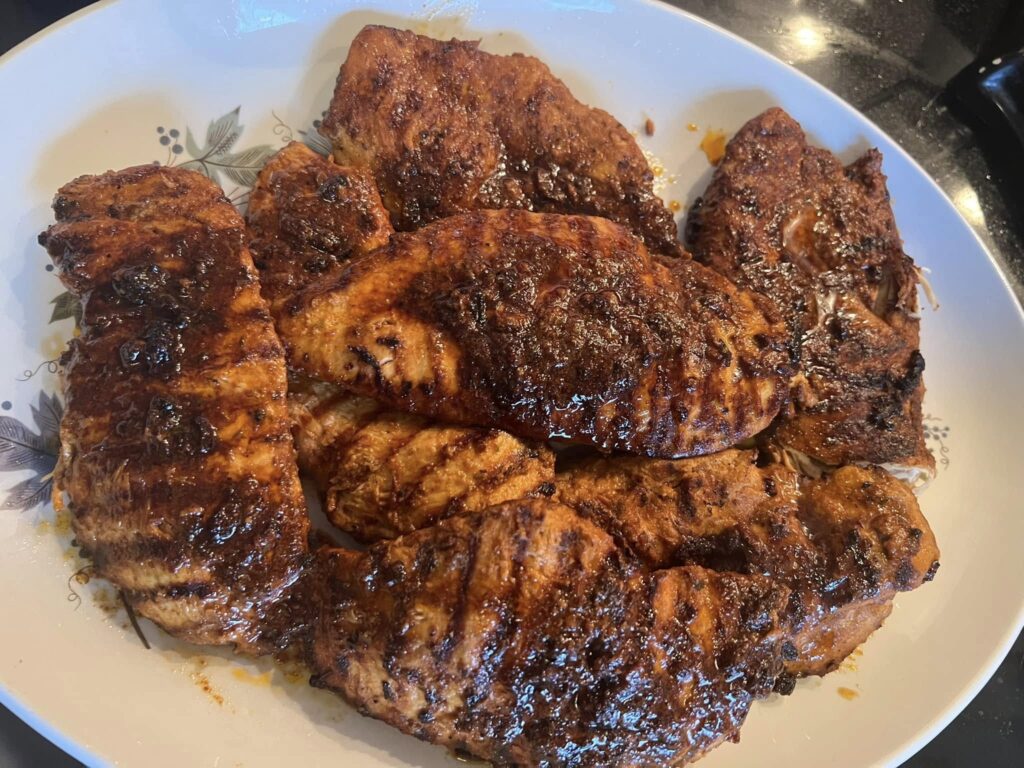
One such story unfolds in the form of a juicy, aromatic grilled chicken steak inspired by Middle Eastern flavors. This dish draws from the beloved shish tawouk, a classic chicken kebab, but adds a few twists that elevate it to a whole new level of delicious.
Middle Eastern Chicken Steak: Smoky, Tangy, and Irresistibly Tender
This grilled chicken steak is all about bold flavor and juicy texture. The marinade is a symphony of garlic, lemon, and creamy yogurt, with a hint of spice and smokiness that makes each bite unforgettable. Whether you’re firing up the BBQ or using a grill pan indoors, this recipe delivers restaurant-quality results with minimal fuss.
Ingredients for the Marinade:
- 3 tbsp olive oil
- 6 garlic cloves, finely grated
- Juice of 1 lemon
- 1 small onion, grated
- 1 tbsp red pepper paste (or tomato puree as a substitute)
- 2 tbsp plain yogurt
- Salt to taste
- 1 tsp paprika
- 1 tsp red pepper paste
- ½ tsp black pepper
- ½ tsp ground cumin
- 1 tsp dried oregano
- 2 chicken fillets, sliced thinly lengthwise
Tip: For maximum flavor, marinate the chicken for at least 2–4 hours, or overnight if you can.
Cooking Method:
While nothing beats the smoky depth of a charcoal BBQ, you can easily replicate that flavor indoors. Grill the marinated chicken on a hot pan until golden and cooked through. For a smoky finish, place a small piece of hot coal in a bowl of oil, set it inside the pan, and cover with foil for a few minutes—this infuses the chicken with that irresistible charred aroma.
What’s the Secret to Those Beautiful Grill Marks?
If you’re cooking indoors, a grill pan is your best friend. This special pan has raised ridges across its surface that serve two key purposes:
- Grill marks: They give your chicken those gorgeous seared lines that mimic outdoor grilling.
- Flavor and texture: The ridges allow juices and fat to drain slightly, helping the meat caramelize and develop a smoky, charred flavor.
For best results, go with a cast iron grill pan—it retains heat beautifully and delivers a perfect sear. Nonstick versions are easier to clean but don’t get quite as hot. Either way, a grill pan brings that outdoor BBQ magic right to your stovetop.
Serving Suggestions:
Pair your grilled chicken steak with:
- Crisp salad and warm pita
- Golden fries or roasted vegetables
- Fragrant vermicelli rice
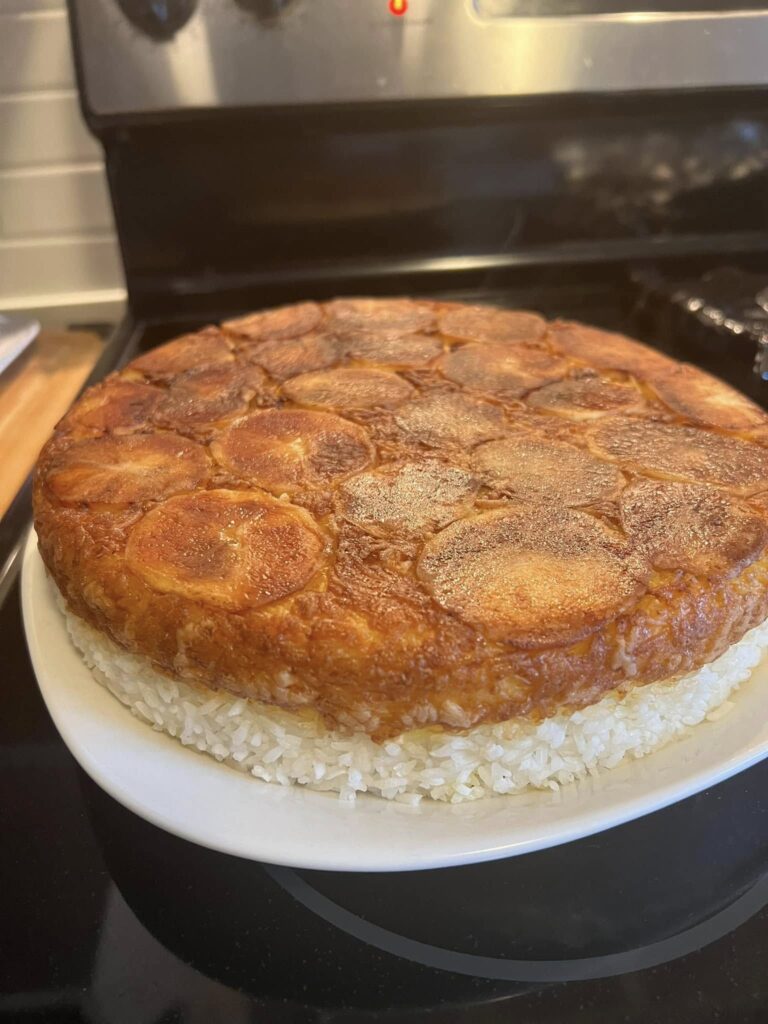
Persian Potato Tahdig with Saffron & Yogurt: A Crispy Memory from High School
Back in high school, I had a few close friends from Iran, and visiting their home was always a treat—especially at mealtime. Rice, or Polo in Farsi, was a staple at every meal, but every now and then, they’d make it extra special by preparing it with Tahdig. That’s the crispy, golden crust at the bottom of the pot, and in Persian culture, it’s the most prized part of the dish.
What always struck me was their generosity. No matter how many guests were at the table, they’d always offer a piece of the crispy tahdig to each person—making sure everyone got a taste of the best part. It was buttery, crunchy, and infused with saffron and yogurt, layered over thin slices of potato. The smell was mouthwatering, and the flavor was unforgettable.
This recipe is inspired by those moments—warm kitchens, shared meals, and the kind of food that brings people together. If you’ve never tried Persian rice with potato tahdig, you’re in for something truly special.
Ingredients (Serves 4–6)
For the Rice:
- 3 cups uncooked Basmati rice
- ¼ cup salt (for boiling water)
- About 12 cups cold water
For the Tahdig Base:
- 1 large russet potato, peeled and thinly sliced
- ½ cup plain yogurt (low-fat or full-fat)
- A pinch of ground saffron (optional but recommended)
- 1 cup of the parboiled rice
- 3 tbsp vegetable oil
- 2 tbsp butter or ghee
Equipment
- 6-Qt nonstick stockpot with lid
- Fine mesh sieve or colander
- Large kitchen towel or damkesh (for steaming)
Instructions
1. Wash and Parboil the Rice
- Rinse the rice in cold water 2–3 times until the water runs mostly clear.
- Bring 12 cups of water to a boil in a large pot. Add ¼ cup salt and the drained rice.
- Boil for 7–10 minutes, stirring occasionally. The grains should be soft on the edges but firm in the center.
- Drain the rice in a fine mesh sieve and rinse with cold water to stop cooking.
2. Prepare the Tahdig Mixture
- In a small bowl, mix yogurt with a pinch of saffron.
- Stir in 1 cup of the parboiled rice until well combined.
3. Layer the Pot
- Heat oil and butter in the nonstick pot (or nonstick pan with high edges like in my video below) over medium-high heat until sizzling.
- Remove from heat and layer the thin potato slices evenly across the bottom.
- Spread the yogurt-rice mixture over the potatoes.
- Carefully spoon the remaining rice on top, forming a gentle mound or pyramid shape.
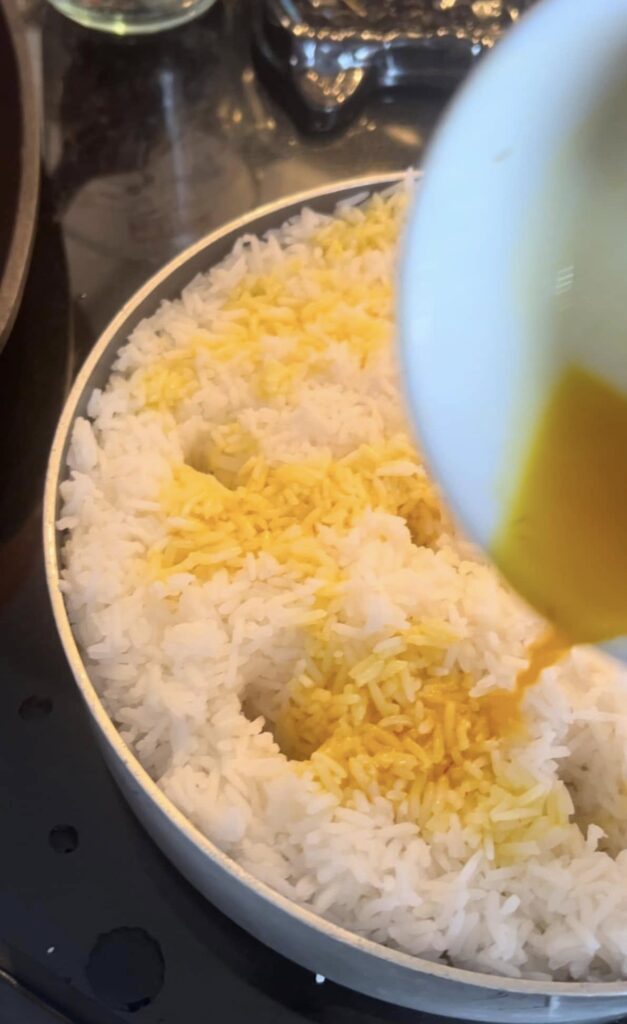
- Poke holes with the end of a wooden spoon throughout
4. Steam the Rice
- Sprinkle a pinch of saffron over the top for extra aroma and color (optional). Or you can drizzle saffron water….
Saffron Water
- A generous pinch of ground saffron threads (about ¼ tsp)
- 2–3 tablespoons hot water (not boiling)
- Instructions:
- Lightly crush the saffron threads using a mortar and pestle or the back of a spoon.
- Place the crushed saffron in a small bowl or cup.
- Add 2–3 tablespoons of hot water (around 160–170°F / 70–75°C).
- Let it steep for at least 10–15 minutes. The water will turn a rich golden-orange color and release a beautiful aroma.
- Wrap the lid with a kitchen towel or damkesh to catch steam.
5. COVER THE POT
- Cover the pot and cook over medium-low heat for 45 minutes to 1 hour.
- Do not be tempted to peek!
- Use a fork to gently lift the edge and check the tahdig—it should be golden and crispy.
5. Serve
- To serve, gently loosen the sides and invert the pot carefully onto a serving platter to reveal the crispy tahdig.
- Alternatively, scoop the rice out and serve the tahdig separately in slices.
Tips
- Don’t worry if your tahdig isn’t perfect the first time—it takes practice!
- You can prep the rice earlier in the day and steam it just before serving.
Check out my video here!