


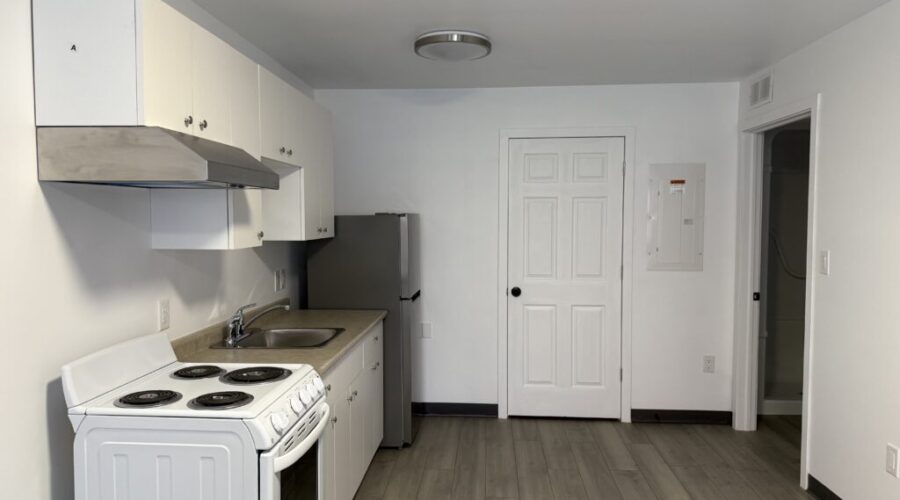
A 14-unit complex built by Northern Linkage Community Housing and Support Services and The District of Thunder Bay Social Services Administration Board (TBDSSAB) held its grand opening today.
Sitting at 310 Archibald Street South, the building is meant to accommodate people with disabilities, mental illness or addictions, and individuals experiencing homelessness.
Northern Linkage received $1.6 million dollars from TBDSSAB through the Canada-Ontario Community Housing Initiative Program.
Luca Loffredo, executive director of Northern Linkage, believes affordable housing units like 310 Archibald cannot be built without government support.
“It’s not possible with the cost of building these days. We can see out in the market that market rents are significantly high. These are going to be 80% below market rent… Without support, these units are going to be unaffordable.”
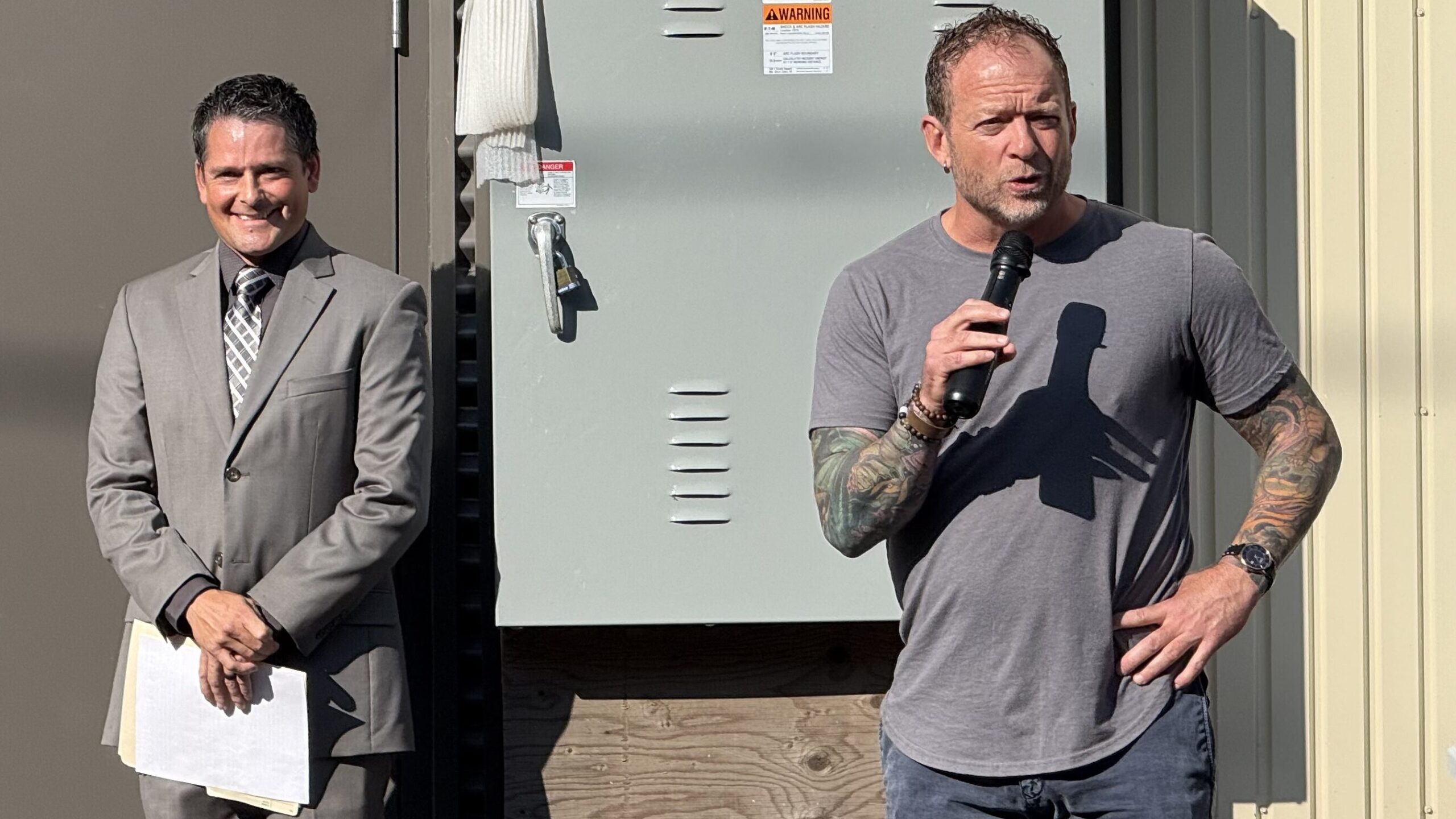
City councillor Brian Hamilton, who chairs TBDSSAB, agrees with Loffredo and says the $1.6 million is money well spent. “Without those initial capital dollars, these projects just won’t happen,” Hamilton remarks.
“When you’re talking about deeply affordable housing, and when you’re looking at the realities of the price of building and construction right now, those subsidies are absolutely critical to getting these projects off the ground.”
Ann Potvin Place
The 310 Archibald location is dubbed Ann Potvin Place to celebrate the contributions of its namesake, Ann Potvin.
Ann Potvin was a founding board member of Northern Linkage, and has played a significant role in the organization for decades.
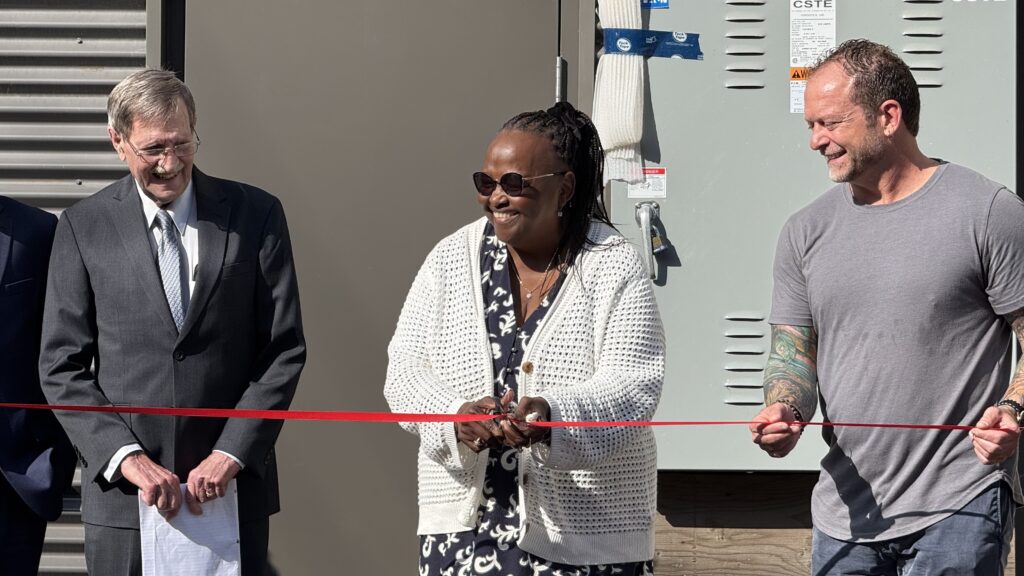
“I feel absolutely honoured and humbled and forever grateful to the people that provided the funding,” Potvin said when asked about the building’s naming, “and then having the builders who knew exactly what we wanted.”
Describing the building as a “monumental accomplishment,” Potvin explained that it would serve the important mission of helping those who have been left “stranded and uncared for.”
“Thunder Bay has a lot of people who are living in the streets not just because they’ve had their share of bad luck, but because maybe mental illness, maybe poverty, and maybe abuse in their own homes.”


